If you’re in an LGBTQ relationship and planning a Schengen visitor visa, it’s normal to feel extra cautious. Many couples worry about how they will be perceived, what to write in their letters, or whether they should hide parts of their story.
Let’s be clear: for a Schengen C-type visitor visa, embassies do not officially assess your relationship based on sexuality. They assess
risk,
credibility, and
return intention. That’s what really matters.
Do LGBTQ couples have different visa rules?
In most cases,
no. The visa process focuses on the same core areas:
- Purpose of travel and itinerary
- Financial support and realism of the trip
- Accommodation and logistics
- Proof of a genuine relationship (if visiting a partner)
- Proof of strong ties to the home country (return intention)
The challenge for some LGBTQ couples is not “different rules,” but
how comfortable and safe they feel presenting their relationship openly.
Should you hide that you are a couple?
We do not recommend hiding it. If the purpose of the trip is visiting your partner, your documents should match that story clearly and consistently.
Trying to present your partner as “just a friend” often creates problems because:
- Your communication and evidence may still look like a relationship
- The invitation letter and itinerary may feel unnatural or vague
- Inconsistencies are a major reason for refusals
The safest approach is clarity. Embassies respond best to applications that are structured, realistic, and consistent.
What embassies really care about
Whether you are a straight couple or an LGBTQ couple, the embassy’s key questions are basically the same:
- Is the relationship genuine?
- Is the travel plan realistic?
- Can the trip be financially supported?
- Will the applicant return after the visit?
That last point is often the most important. Even with perfect relationship proof, weak return intention can cause refusal.
How to present your relationship convincingly
You don’t need to overshare personal details. You need a
clear story with proof. A strong relationship presentation usually includes:
- A relationship timeline (how you met, milestones, visits, key dates)
- Selected photos or travel evidence (if you met)
- Communication proof (organized, not random chaos)
- Clear explanation of what you plan to do during the visit
Tip: Keep your tone calm and factual. Embassies don’t want emotional essays. They want clarity.
Return intention still matters most
For visitor visas, the embassy must be convinced the applicant will return home after the trip. Strong return intention can include:
- Employment or business responsibilities
- Study or school enrollment
- Family responsibilities
- Property or long-term commitments
If your relationship is long-distance and serious, that’s fine. Just make sure the visa application still clearly supports a temporary visit, not an undeclared relocation.
Common mistakes LGBTQ couples should avoid
- Hiding the relationship and creating inconsistent documents
- Overexplaining personal topics instead of focusing on facts
- Submitting too many random screenshots without structure
- Not proving return intention strongly enough
See a real approved application structure
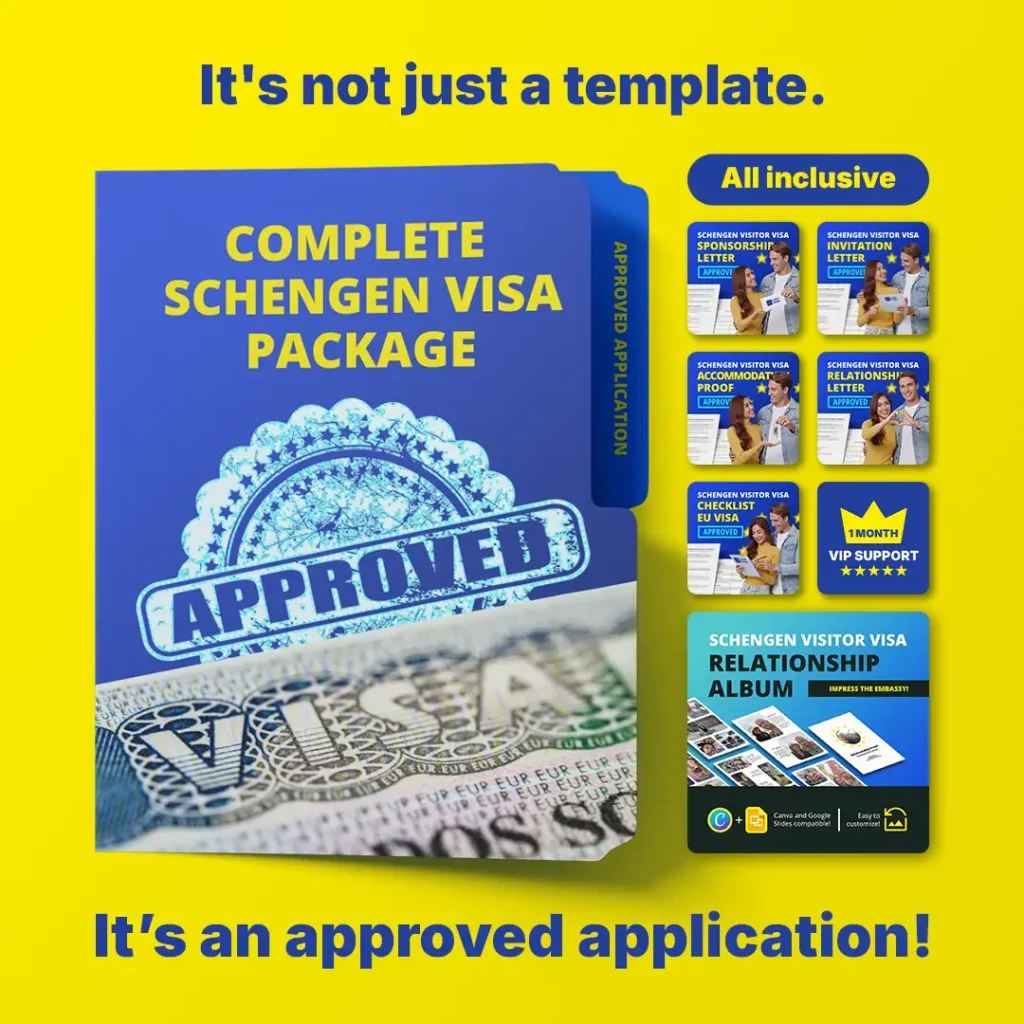
If you want to understand what a complete, embassy-ready application looks like, use a real approved reference instead of guessing.
That’s exactly why we created the
Approved Genuine Schengen Visa Application.
It shows how the key letters and supporting explanations are structured in a successful case, so you can model your own application with confidence and avoid the most common mistakes.